 MBA — Healthcare Management
West Texas A&M University · Business, healthcare management and enterprise leadership.
Human performance became people leadership. People leadership became enterprise performance. Enterprise performance became transformation.
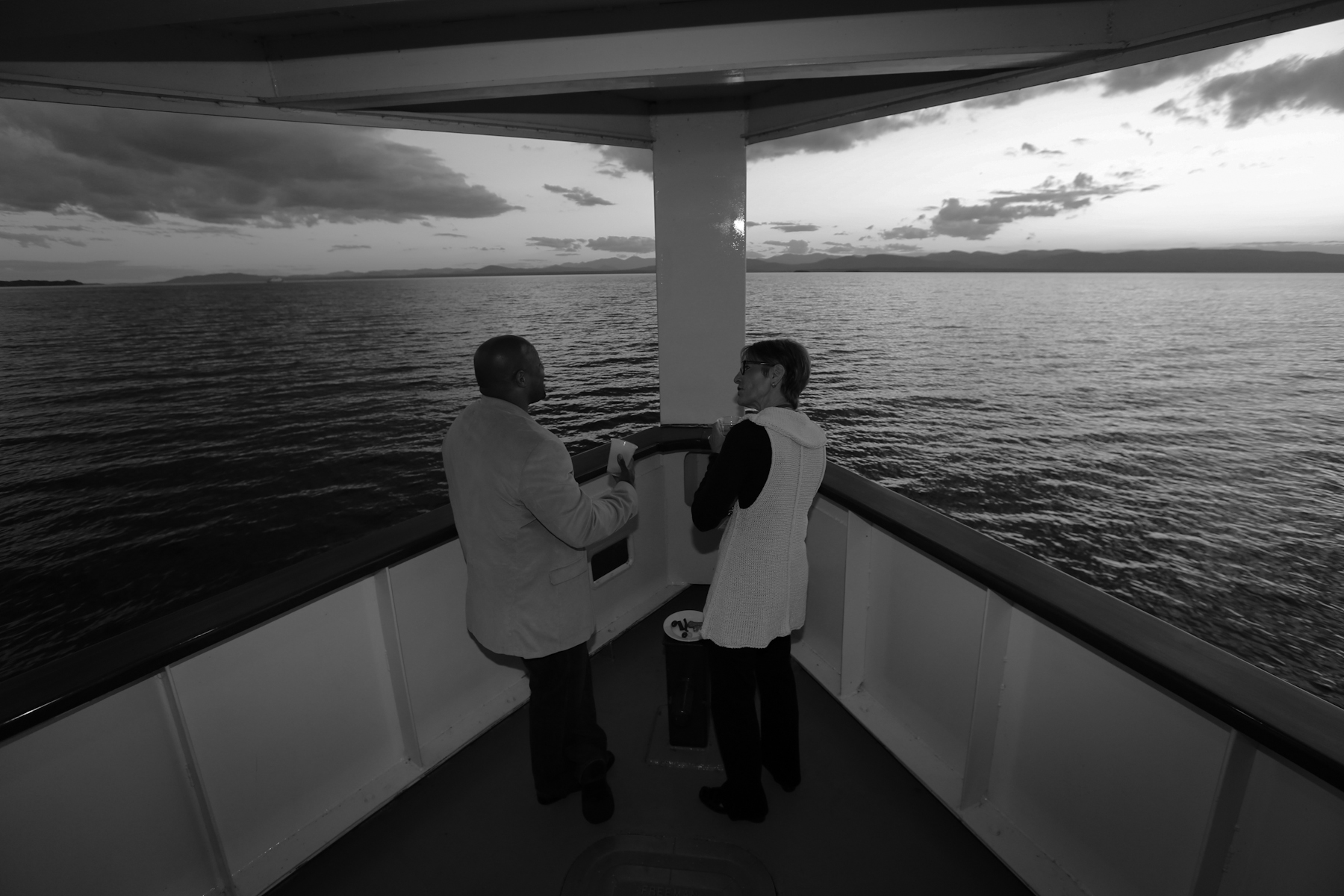
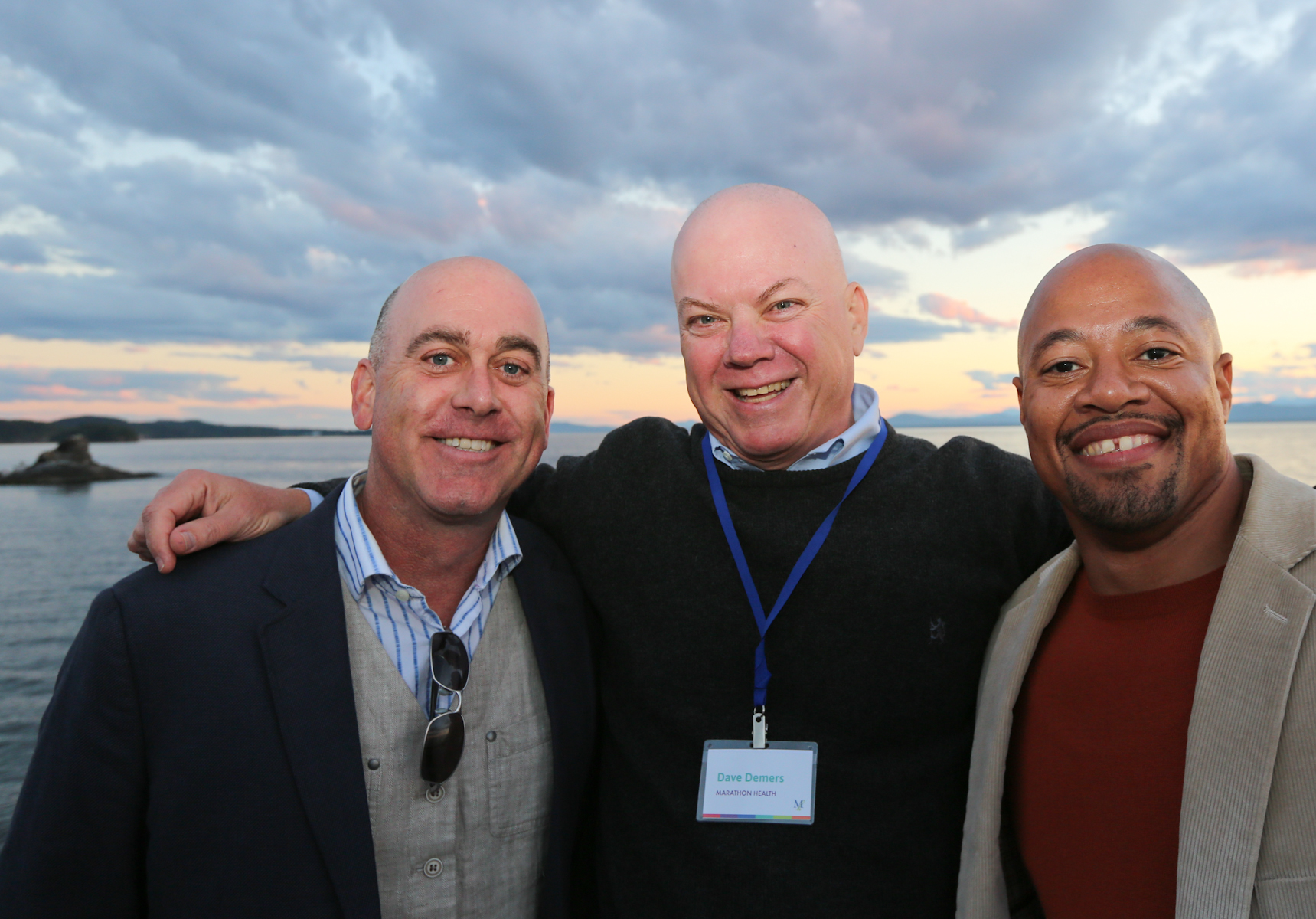
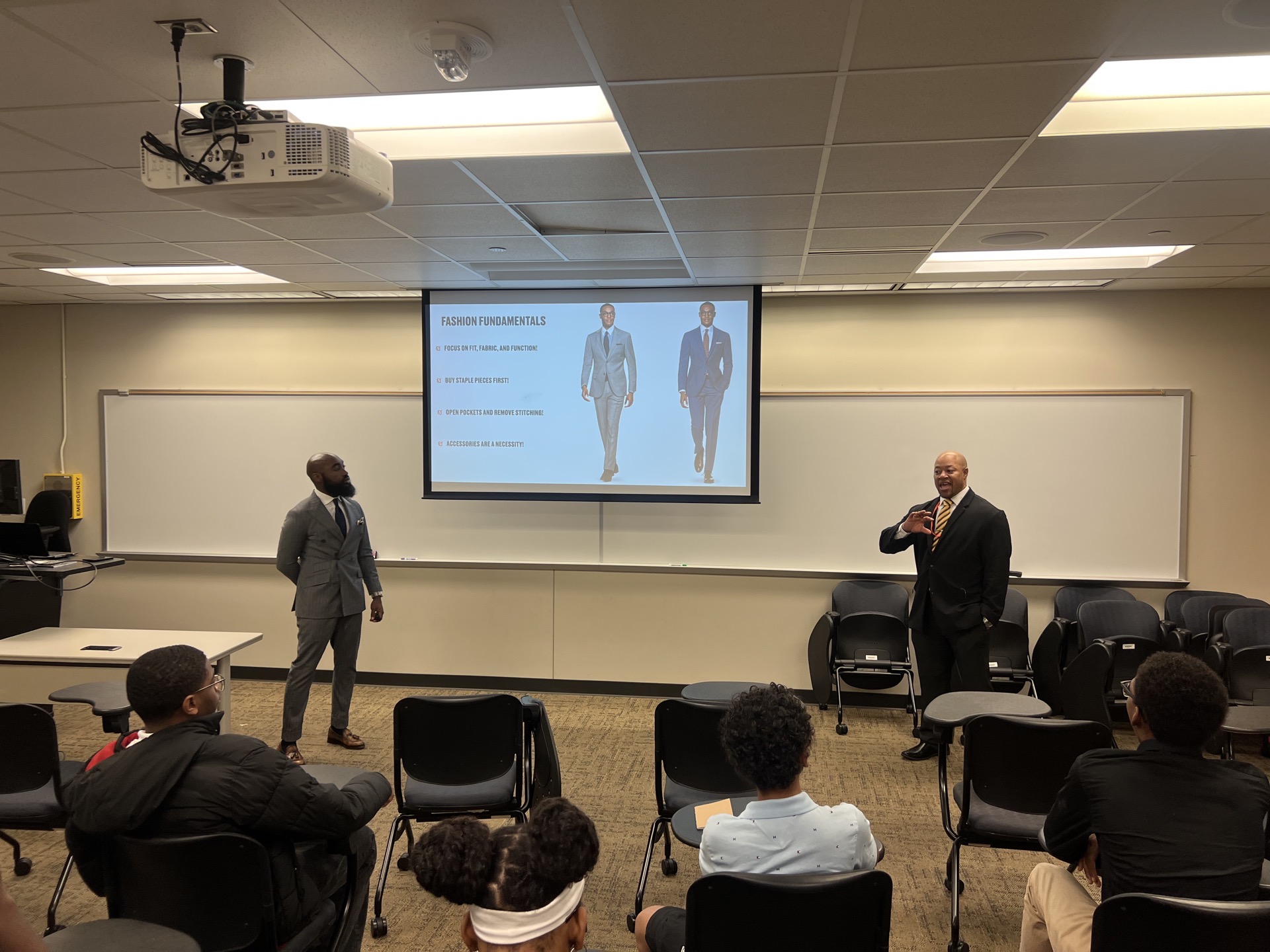
Each chapter widened the operating lens: people, customers, economics, commercial systems and technology. The constant has been building environments where people and systems perform better together.
I grew up in New Orleans around healthcare, education, hard work and people leadership. My mother served as a residency coordinator at LSU Medical Center supporting the Chair of Orthopedics, which gave me unusual early exposure to medicine. As a sophomore at McMain Magnet, I was named Outstanding Student of the Year at the New Orleans Center for Health Careers and had opportunities to observe orthopedic surgery.
I entered college pre-med while competing in Division I football. My interest in the body became increasingly applied: internships in orthotics and prosthetics gave me hands-on experience fabricating dynamic foot orthoses (DFOs), thoracic lumbar spinal orthoses (TLSOs), dynamic ankle-foot orthoses (DAFOs) and other individualized devices. At Northwest Louisiana Regional Medical Center in Ruston, I supported patients in physical rehabilitation, including a former NFL linebacker living with quadriplegia whose persistence through rehabilitation had a lasting impact on how I think about resilience. I later became an Exercise Physiologist and Rehabilitation Manager in a pain-management practice, managing rehabilitation for workers’ compensation injuries and other physical conditions while learning the medical evaluation, documentation and billing environment. Training became more than athletics; it became a place to think, reset and understand performance.
I did not become a physician, but the clinical foundation never left the work. Understanding physiology, care delivery and the language of clinicians has helped me engage credibly with Chief Medical Officers, clinical operations leaders, nurse practitioners and other healthcare stakeholders in account management, commercialization and enterprise sales. It helps me connect the clinical model to the operating model, customer value and business case without pretending to be the clinician in the room.
After accepting a Teaching Fellowship during my M.S. program at the University of North Texas, I continued teaching as an adjunct professor at Texas Wesleyan University and Tarrant County Community College, and later a national fitness and wellness presenter with Exercise ETC., I taught students and credentialed professionals how to translate science into practical decisions. My continuing-education workshops spanned functional assessment and strength programming as well as post-rehabilitation and chronic-disease topics including hip and knee replacement, cardiac rehabilitation, diabetes and obesity, autoimmune disease, lower-back conditions and shoulder rehabilitation.
I learned that knowing something is different from making it useful to someone else. That distinction still shapes how I lead, sell, consult and transform organizations.
Earlier in my career I held professional credentials across the American College of Sports Medicine, American Council on Exercise, National Strength and Conditioning Association and American Institute of Fitness Educators. These included ACSM Certified Director and Certified Instructor; ACE Certified Personal Trainer; NSCA Certified Strength and Conditioning Coach and Certified Personal Trainer; and AIFE Certified Instructor and Certified Post-Rehab Specialist.
My early corporate experience in wellness and health operations taught me professionalism and execution at scale. Multi-site leadership then connected people, customer experience, economics and operating discipline. I stopped seeing performance as an individual problem and started seeing the system around it.
Entrepreneurship gave me room to use more of my creativity and capability, but returning to enterprise leadership required resilience and deliberate repositioning. I invested in an MBA, rebuilt my market narrative and kept expanding the problems I could solve.
Today I work at the intersection of growth, transformation, enterprise operations and technology. The objective is not technology for its own sake. It is to design better systems, develop better people and create better outcomes.
One leadership lesson that has stayed with me comes from Jack Welch and Suzy Welch’s Winning. Welch recounts a worker expressing a simple idea: the company had spent years paying for his hands when it could also have benefited from his thinking.
That idea reflects how I think about people and my own career. A job description defines responsibilities; it does not define the full capability of the person. Strong leaders create the clarity, trust and opportunity for people to contribute their judgment, ideas and potential—not simply execute what they were told.
I have tried to apply the same principle to myself. I never wanted my contribution limited by the boundaries of a job description. My career has kept expanding across science, teaching, operations, entrepreneurship, commercial strategy, people leadership and technology because I have continued asking where else I can create value.
Potential → Voice → Ownership → PerformanceA leadership principle shaped in part by Jack Welch and Suzy Welch, Winning.
MBA — Healthcare ManagementWest Texas A&M University · Business, healthcare management and enterprise leadership.
 M.S. — Exercise Physiology, Cum Laude
University of North Texas · Teaching Fellow · Human performance, physiology and evidence-based problem solving.
 B.S. — Wellness Management & Biology, Cum Laude
Louisiana Tech University · Health, wellness, biology and performance management.
University of North Texas, Texas Wesleyan University, Tarrant County Community College and Exercise ETC. · Physiology, health and wellness, functional performance, chronic disease and post-rehabilitation education.